Blog
Why Do Cats Prefer Fresh Water? 3 Scientific Reasons + Practical Hydration Tips
As a cat owner, have you ever noticed that your cat is particularly interested in freshly changed water, but turns a blind eye to water that has been left out for half a day? This is not because cats are "picky," but rather due to their physiological instincts and evolutionary habits. Understanding why cats prefer fresh water and mastering the correct way to provide water can effectively increase their willingness to drink, preventing dehydration and urinary system diseases.
1. 3 Scientific Reasons Why Cats Prefer Fresh Water
1) Evolutionary Instinct: Fresh Water = Safe Water Source
When cats' ancestors lived in the wild, turbid or stagnant water might contain bacteria, parasites, or toxins. Only flowing, fresh water was considered a "safe water source." This ability to judge the safety of water sources has been passed down to modern domestic cats through genes—even in the comfort of indoor environments, they still instinctively prioritize fresh water.
2) Sensitive Senses: Fresh Water Aligns with Cats' Taste and Smell
A cat's sense of smell is 14 times stronger than that of humans, and their sense of taste is particularly sensitive to "staleness." When water is left out for too long, it absorbs odors from the air (such as food residues or dust) and may even breed a small amount of bacteria. These subtle changes are barely noticeable to humans, but they can make cats feel "uncomfortable." The "odor-free" nature of fresh water better meets cats' sensory needs for drinking water.
3) Physiological Needs: Fresh Water Boosts Metabolism
Fresh water has a higher dissolved oxygen content, which better helps cats promote metabolism and excrete waste from the body. Especially for senior cats, obese cats, or cats with kidney diseases, adequate intake of fresh water can reduce the risk of stone formation and maintain urinary system health.
2. 5 Practical Tips to Make Cats Love Drinking Water
1) Choose the Right Water Bowl
- Prioritize Ceramic/Glass Materials: Avoid plastic bowls, as they easily harbor bacteria and may release harmful substances. Ceramic or glass bowls are easy to clean, odor-free, and more popular with cats.
- Opt for a Wide-Mouthed Bowl: Cats hate having their whiskers rubbed against the edge of the bowl while drinking. Choose a shallow bowl with a diameter of ≥10cm to reduce cats' "drinking concerns."
2) Maintain Water Freshness: Change Water Frequently + Clean Regularly
- Change Water at Least Twice a Day: Replace water in the morning and evening to ensure cats have access to fresh water at all times. If you're away from home, use a large-capacity automatic water dispenser to reduce the risk of water spoilage.
- Clean the Water Bowl 3 Times a Week: Even if you change the water daily, the inner wall of the bowl may still have bacteria or cat saliva residues. Clean it with warm water and neutral detergent, then dry it before refilling to avoid chemical residues.
3) Use "Flowing Water" to Attract Cats
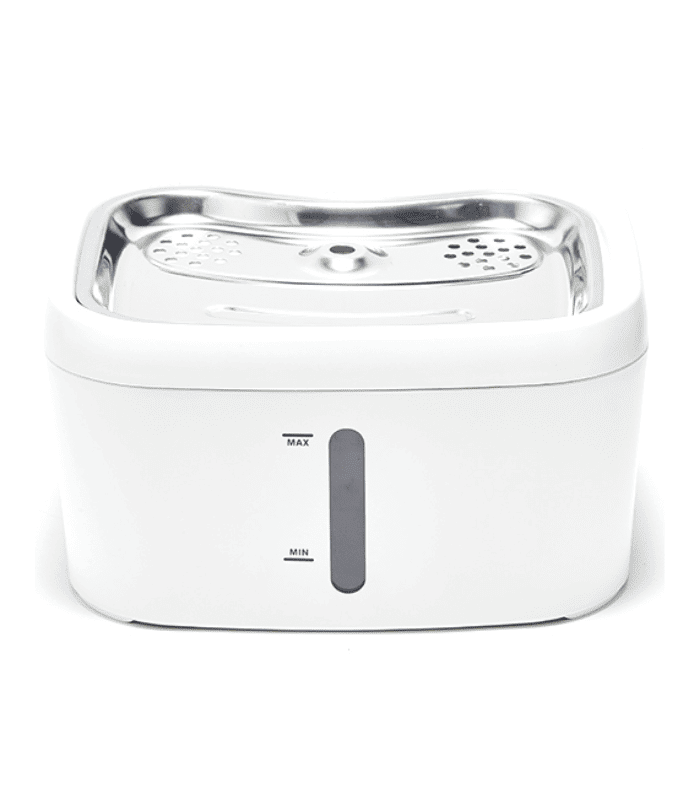
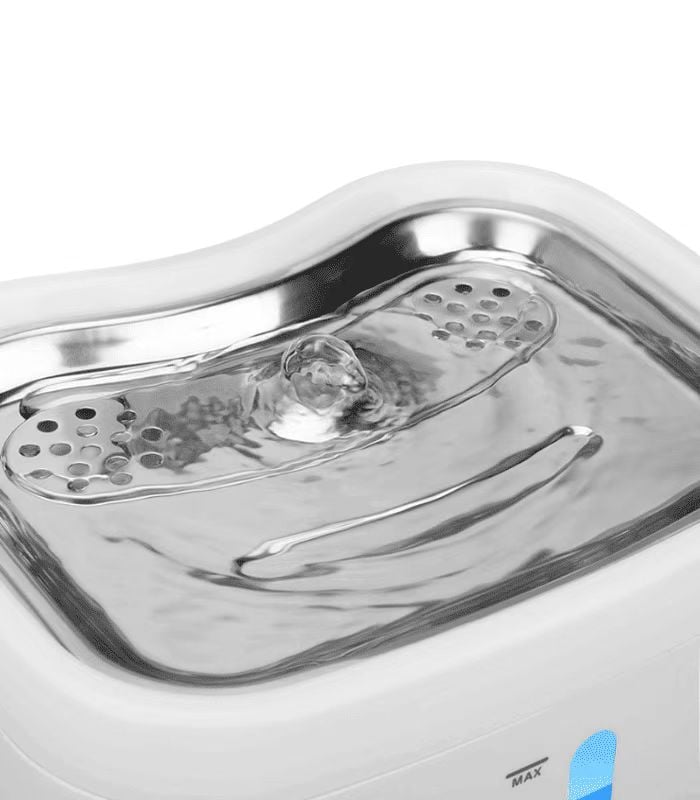
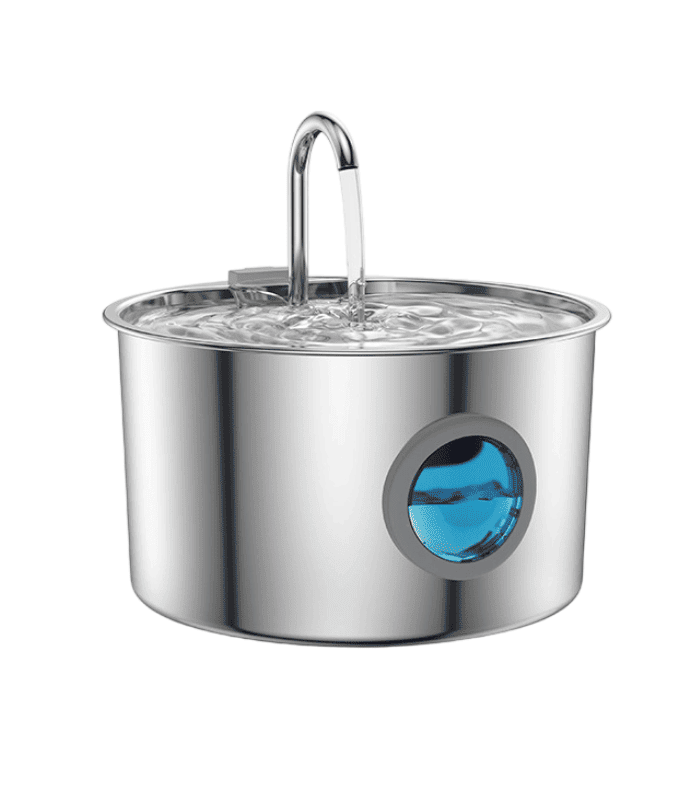
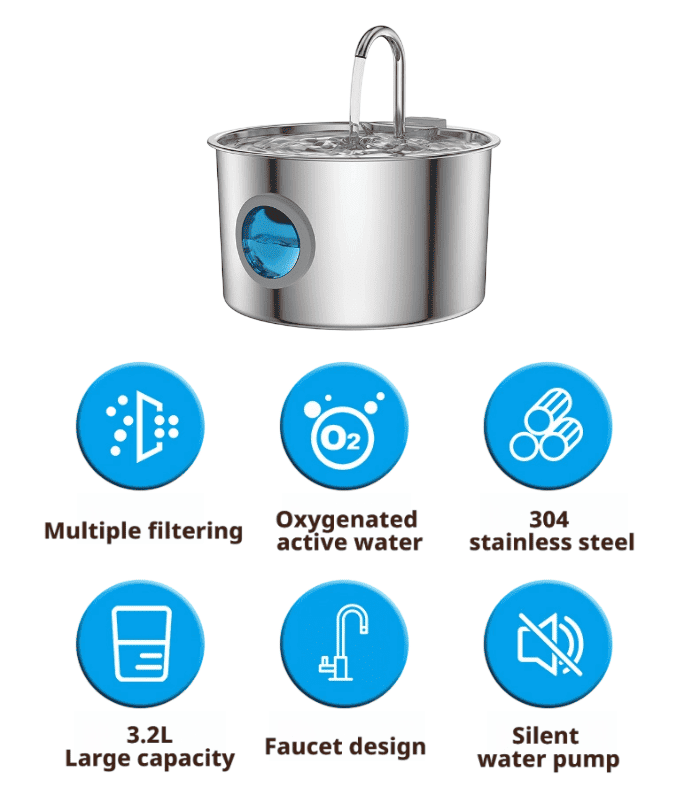
- Buy a Pet Automatic Water Dispenser: It simulates the flow of a stream and filters impurities in the water, improving drinking safety.
- Occasionally Turn on the Faucet: Gently turn on the faucet in front of your cat to let the water drip slowly, attracting them to drink actively (be careful not to make the water flow too strong, as this may scare the cat).
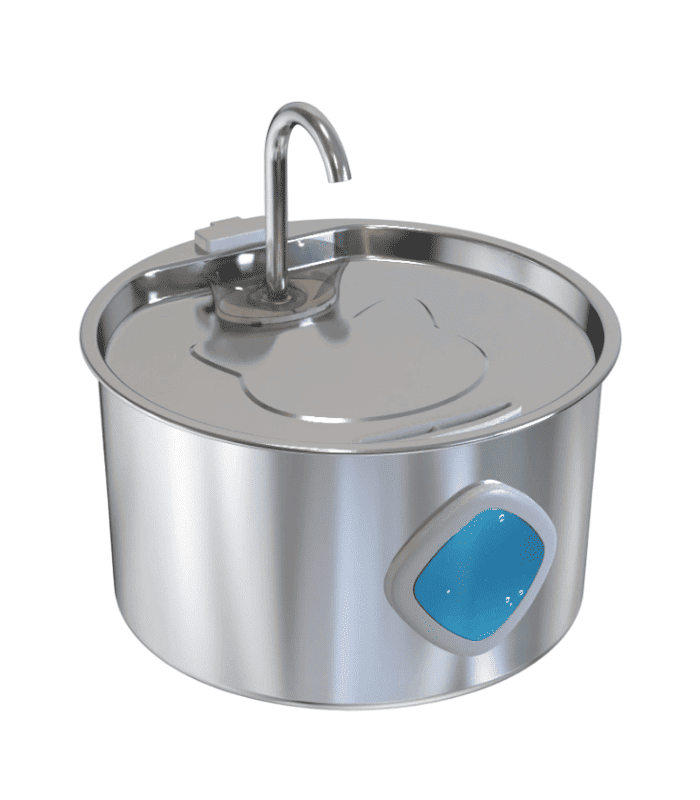
2.5L automatic cat water fountain quiet water pump
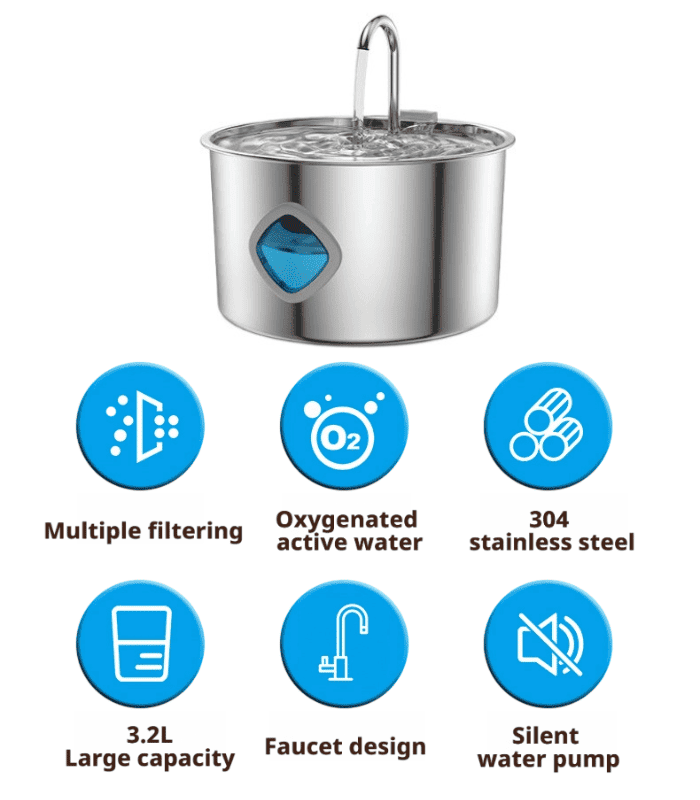
3.2L quiet cat water fountain with filter 108oz
3.2L quiet pet water fountain 108oz
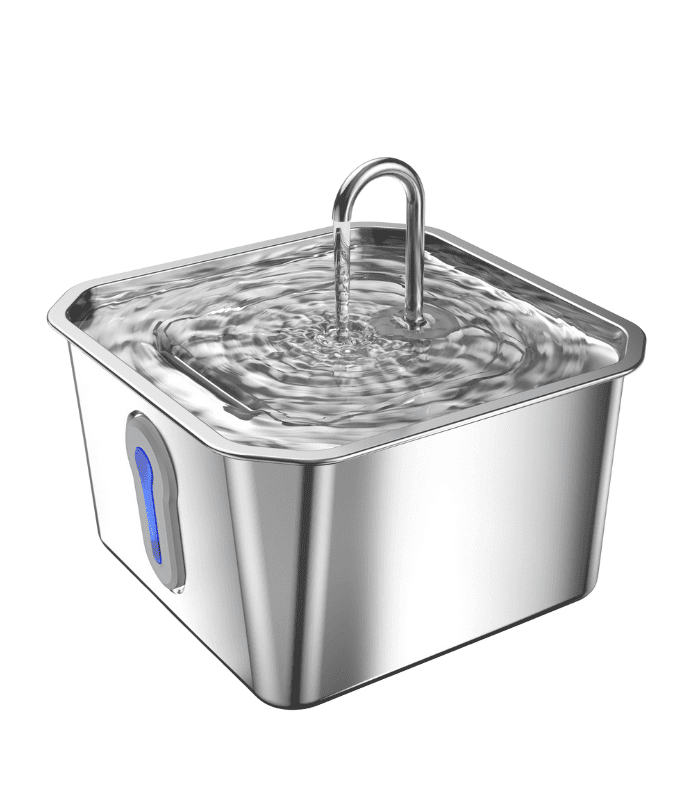
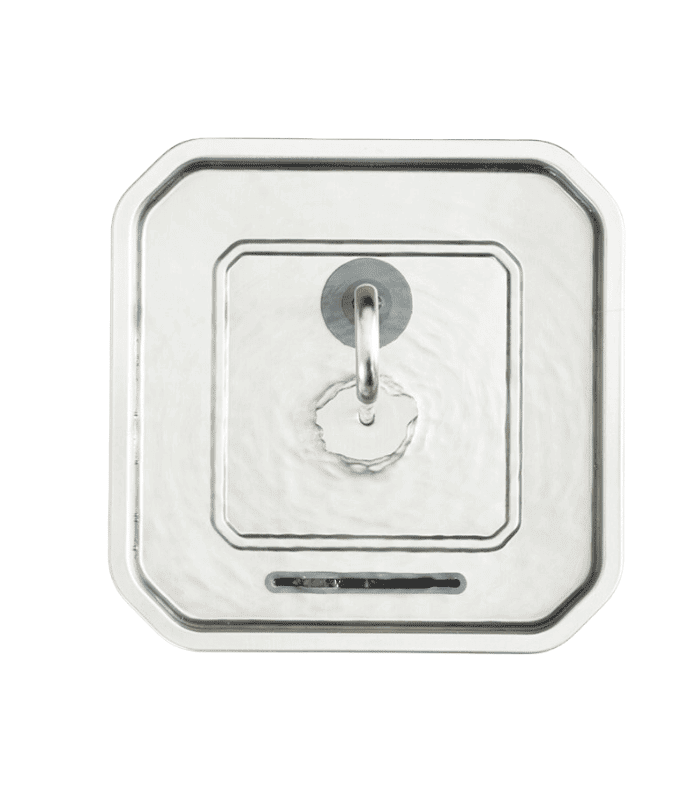
4.0L/135oz automatic pet water fountain basic
4) Place Water Bowls in the Right Locations
- Keep Away from Food and Litter Boxes: Cats instinctively avoid having their "drinking area too close to the eating area/excretion area." It is recommended to place the water bowl at least 1 meter away from the food bowl and litter box.
- Place Multiple Water Bowls in Different Areas: If your home is large, place a water bowl in areas where cats often move, such as the living room, balcony, and bedroom, to reduce the "cost" of cats finding water.
5) Observe Your Cat's Drinking Habits and Adjust Timely
Different cats have different drinking preferences: some like boiled water, some prefer mineral water, and others are more interested in warm water. It is recommended to observe your cat's drinking frequency, try changing the type of water source or water temperature, and find the "drinking plan" that best suits your cat.
3. Common Mistakes: These "Water-Feeding Methods" May Harm Cats
1)Feeding Tap Water Directly: Tap water contains chlorine and heavy metals, which may irritate cats' stomachs if consumed for a long time. It is recommended to boil tap water and let it cool, or use filtered water.
2)Forcing Cats to Drink Water: If your cat drinks too little water, forcing them to drink with a syringe may cause choking or stress. You should first check if the problem is caused by the bowl, water source, or health issues, then solve it accordingly.
3)Relying Only on Wet Food for Hydration: Although wet food has a high water content, it cannot completely replace drinking water. You still need to provide sufficient fresh water for your cat to prevent them from reducing active drinking due to "relying on wet food."