Blog
How to Stop Excessive Cat Shedding: Proven Tips & 7 Solutions for Pet Parents


If you’re a cat parent, you’ve probably dealt with the never-ending battle of cat hair covering your furniture, clothes, carpets, and even your food. Excessive cat shedding isn’t just an annoying mess—it can also signal underlying health issues or poor care habits for your feline friend. Cat shedding is normal, but heavy, non-stop shedding is not, and there are simple, effective ways to reduce it and keep your home clean while keeping your cat happy and healthy.
Table of Contents
- Why Do Cats Shed Excessively? Common Causes
- Normal vs. Excessive Cat Shedding: How to Tell the Difference
- 7 Effective Tips to Reduce Excessive Cat Shedding
- Best Grooming Tools for Controlling Cat Hair
- Products to Help Manage Cat Shedding & Cleanup
- When to See a Veterinarian for Heavy Shedding
Why Do Cats Shed Excessively? Common Causes
Before you can fix excessive cat shedding, you need to understand what’s causing it. Cats shed to get rid of old, damaged fur and grow a new, healthy coat—this is a natural process for all breeds, even short-haired cats. But when shedding becomes extreme, it’s usually tied to one of these key factors:
1. Seasonal Changes & Light Exposure
Most indoor and outdoor cats shed more during seasonal changes, especially in spring and fall. Cats adjust their coats based on sunlight exposure; longer days trigger lighter summer coats, while shorter days lead to thicker winter fur. Indoor cats may shed year-round because of artificial lighting, which disrupts their natural shedding cycle and causes constant, light shedding that feels excessive.
2. Poor Diet & Nutritional Deficiencies
Diet is one of the biggest causes of abnormal, heavy shedding. Cats need high-quality protein, omega-3 fatty acids, and essential vitamins to maintain a healthy coat. If your cat’s food is low in nutrients or filled with fillers, their fur will become dry, brittle, and prone to falling out in large clumps. A lack of hydration can also worsen shedding and dry skin.
3. Lack of Grooming
Cats groom themselves regularly, but long-haired breeds (like Persians, Maine Coons) and older or overweight cats can’t reach every spot. Without regular brushing, loose fur gets trapped in their coat, leading to matting and more shedding when they finally clean themselves. This trapped fur also causes hairballs, which add to the mess.
4. Stress & Anxiety
Cats are sensitive creatures, and stress triggers excessive shedding as a physical response. Common stressors include moving to a new home, new pets or family members, loud noises, litter box issues, or changes in routine. Stress-induced shedding often comes with other signs like hiding, excessive meowing, or loss of appetite.
5. Skin Conditions & Health Issues
Dry skin, allergies, fleas, infections, or hormonal imbalances (like hyperthyroidism) can all cause heavy shedding. If your cat is scratching, biting their fur, or has red, irritated skin alongside shedding, it’s likely a health-related issue rather than normal fur loss.
Normal vs. Excessive Cat Shedding: How to Tell the Difference
It’s critical to know the line between normal cat shedding and problematic excessive shedding, so you don’t waste time fixing a non-issue or ignore a serious health problem.
Normal Cat Shedding: Small amounts of loose fur on furniture, consistent year-round or seasonal spikes, no bald spots, soft and shiny coat, no scratching or skin irritation.
Excessive Cat Shedding: Clumps of fur everywhere, visible bald patches on the body, rough/dull coat, constant scratching, skin redness, or shedding that lasts for months without seasonal breaks.
If your cat falls into the excessive shedding category, the tips below will help you take control quickly and safely.
7 Effective Tips to Reduce Excessive Cat Shedding
These easy, pet-safe tips target the root causes of excessive cat shedding and work for all breeds, from short-haired tabbies to long-haired Persians. Most can be done at home without expensive tools or vet visits.
1. Brush Your Cat Regularly (The Most Important Step)
Regular brushing is the single best way to reduce excessive cat shedding. Brushing removes loose fur before it falls off your cat around your home, prevents matting, and distributes natural skin oils for a healthier coat. Short-haired cats need brushing 2-3 times per week, while long-haired cats need daily brushing to keep shedding under control.
Always use a cat-specific brush—human brushes are too harsh and can irritate your cat’s skin. Gentle, slow brushing also strengthens the bond between you and your cat, making it a positive experience instead of a chore.
2. Feed a High-Quality, Nutrient-Rich Diet
Fixing your cat’s diet will drastically cut down on excessive shedding. Look for cat food with real meat (chicken, fish, turkey) as the first ingredient, and avoid foods with corn, wheat, or artificial fillers. Add omega-3 supplements (like fish oil or flaxseed) to their meals—these fatty acids nourish the skin and coat, reducing dryness and fur loss.
Always make sure your cat has access to fresh, clean water. Dehydration leads to dry skin and more shedding, so a clean water bowl or pet water fountain encourages consistent drinking.
3. Control Indoor Lighting & Temperature
Since artificial light disrupts seasonal shedding cycles, keep indoor lighting consistent. Avoid leaving bright lights on all night, and maintain a steady room temperature. This helps regulate your cat’s natural shedding cycle, reducing constant year-round fur loss.
4. Reduce Stress for Your Cat
Stress is a hidden cause of excessive cat shedding, so create a calm, safe space for your feline friend. Stick to a consistent feeding and play routine, provide a clean litter box, and give them quiet spots to hide if they feel overwhelmed. Calming aids like pheromone diffusers can also ease anxiety and cut down on stress-induced shedding.
5. Bathe Your Cat Occasionally (Gentle Only)
Most cats hate water, but a gentle, monthly bath with cat-specific shampoo removes loose fur and dirt, reducing shedding. Never use human shampoo—it’s too harsh and dries out cat skin. For cats that refuse baths, use pet grooming wipes to clean their coat and capture loose fur without water.
6. Keep Your Home Clean to Reduce Allergens & Loose Fur
Regular home cleanup doesn’t stop shedding, but it keeps loose fur from building up and triggering irritation that worsens shedding. Vacuum carpets and furniture weekly, use lint rollers on clothes, and wash your cat’s bedding regularly. This also reduces allergens from cat dander, which is often mixed with loose fur.
7. Protect Against Fleas & Parasites
Flea bites cause intense itching and scratching, leading to massive fur loss and excessive shedding. Use monthly flea prevention treatment recommended by your vet, even for indoor cats—fleas can enter homes on shoes or other pets. Regular flea control keeps skin healthy and stops shedding from irritation.
Best Grooming Tools for Controlling Cat Hair
Using the right grooming tools makes reducing excessive cat shedding much easier. These top-rated tools are safe for all cat breeds and highly effective at removing loose fur:
- Slicker Brush: Perfect for removing loose undercoat fur and preventing matting, ideal for long-haired cats.
- Deshedding Tool: Designed to reach deep under the topcoat without hurting the skin, great for heavy shedders like Bengals or Maine Coons.
- Rubber Grooming Brush: Gentle for sensitive skin, works well for short-haired cats and kittens that dislike firm brushes.
- Cat Hair Comb: Targets small mats and tangles, perfect for finishing after brushing to catch leftover loose fur.
Products to Help Manage Cat Shedding & Cleanup
Alongside grooming tools, these pet products simplify cat shedding management and keep your home fur-free, while supporting a healthy coat:
- Omega-3 Fish Oil Supplements: Nourishes skin and coat from the inside, reducing dryness and excessive shedding.
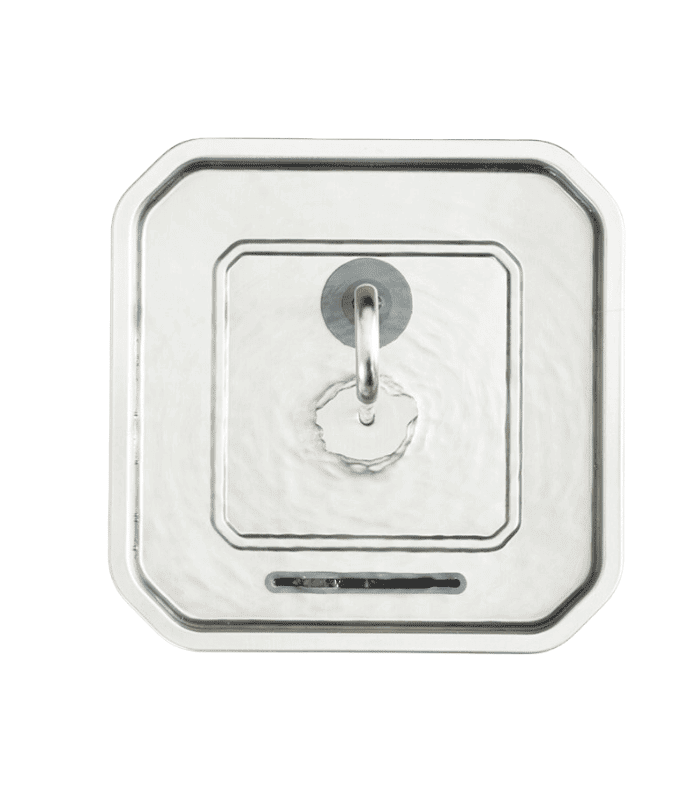
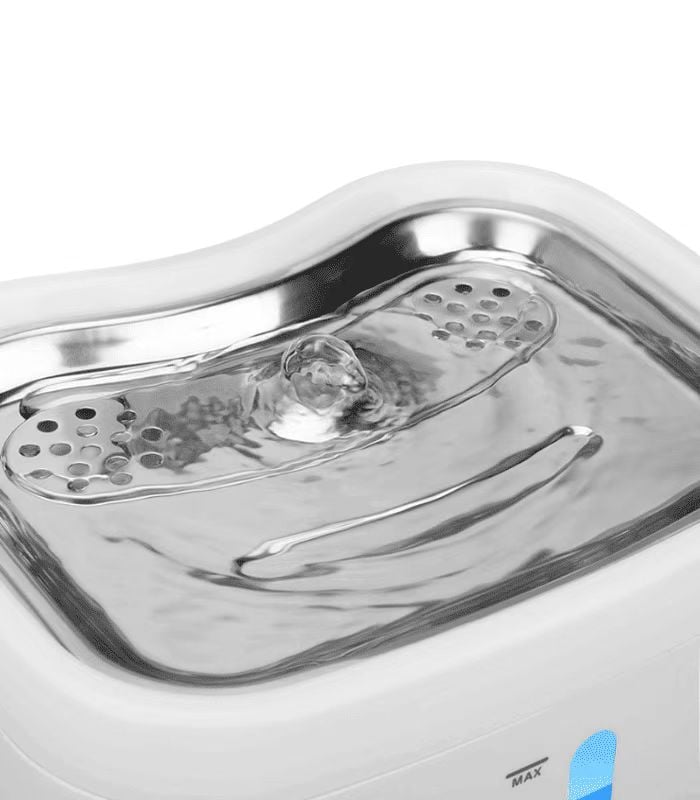
- Pet Water Fountain: Encourages hydration to prevent dry skin, a top cause of heavy shedding.
- Cat-Specific Hypoallergenic Shampoo: Gentle formula for baths, removes loose fur without drying skin.
- Washable Cat Bed Covers: Easy to clean, traps fur and keeps bedding fresh between washes.
When to See a Veterinarian for Heavy Shedding
Most cases of excessive cat shedding can be fixed with at-home care, but some signs mean you need to visit a vet right away. Contact your veterinarian if you notice:
- Bald patches or raw, irritated skin
- Constant scratching, biting, or licking of fur
- Suddenly, extreme shedding with no obvious cause
- Loss of appetite, lethargy, or weight loss alongside shedding
These symptoms could signal allergies, hormonal issues, infections, or other health conditions that require professional treatment. Early vet visits prevent minor issues from turning into serious health problems.
Final Thoughts on Reducing Excessive Cat Shedding
Excessive cat shedding doesn’t have to take over your home. By understanding the causes, sticking to a regular grooming routine, feeding a nutrient-rich diet, and keeping your cat stress-free, you can drastically reduce fur loss and enjoy a cleaner home with a happy, healthy cat.
Remember: consistency is key. Regular brushing and small daily habits will make a huge difference in controlling shedding, and your cat will thank you for the extra care and attention. Even small changes to their diet or grooming routine can eliminate most excessive shedding within a few weeks.
FAQs About Excessive Cat Shedding
Q: Can I stop my cat from shedding completely?
A: No, shedding is a natural, healthy process for cats—you can’t stop it entirely. The goal is to reduce excessive shedding to normal levels with proper care.
Q: How long does it take to reduce cat shedding with diet changes?
A: You’ll start to see a difference in 2-4 weeks after switching to a high-quality diet or adding omega-3 supplements, as the coat and skin need time to heal.
Q: Do indoor cats shed more than outdoor cats?
A: Indoor cats often shed year-round because of artificial lighting, while outdoor cats have seasonal shedding spikes. Overall fur volume is similar, but indoor shedding feels more constant.