
Blog
Complete Guide to Trimming Cat Nails: Safe & Comfortable Trimming
Trimming a cat’s nails may seem simple, but incorrect methods can hurt the cat or make it fear nail trimming. To ensure safe and comfortable trimming, owners need to master proper techniques and precautions.
I. Why Trim a Cat’s Nails?
- Protect your cat’s health: Overgrown nails can curl into paw pads, causing inflammation, infection, or even affecting mobility.
- Reduce scratches: Furniture, floors, and owners’ skin may get scratched. Regular trimming minimizes damage and scratches.
- Prevent accidents: Long nails can get caught in fabric, carpets, or cat trees, risking injury when the cat struggles.
II. Ideal Frequency for Trimming
Trim every 2-4 weeks, adjusting based on your cat’s activity level and scratching habits. Indoor cats may need more frequent trims, while those that scratch posts can go up to a month.
III. Pre-Trimming Preparation
- Choose proper clippers: Use cat-specific nail clippers with sharp blades for quick, clean cuts and to reduce splitting risk.
- Pick a quiet environment: Work in a calm, well-lit area to avoid stressing your cat.
- Get your cat used to it: Touch your cat’s paws regularly beforehand to help it get used to being held, reducing resistance during trimming.
IV. Correct Trimming Method
- Locate the “quick”: The pink area inside the transparent part of the nail is the quick—never cut it, as it will cause bleeding and pain.
- Leave a safe distance: Trim about 2mm away from the quick, avoiding closeness to it.
- Be gentle and steady: Hold the paw, gently press the pad to extend the nail, and trim only 1-2 paws at a time to avoid excessive struggle.
- Prepare hemostatic supplies: If you accidentally cut the quick, stop bleeding with styptic powder or a cotton ball immediately.
V. Key Precautions
- Don’t force completion in one go: If your cat resists, split the trimming into multiple sessions.
- Start young: Introduce nail trimming during kittenhood for easier acceptance.
- Reward and encourage: Offer treats after trimming to build positive associations.
- Avoid trimming when your cat is in a bad mood: Cats may be less cooperative after play, waking up, or eating.
VI. Product Recommendation
If you want to make nail trimming easier, try this product:
Cat-specific nail clippers: Curved blade design fits cat claws, ensuring clean cuts without splitting.
LED Light Pet Nail Clippers with cover
Rated 4.90 out of 5
$18.99pcs
Blue
Pink
light coffee
Select options
This product has multiple variants. The options may be chosen on the product page
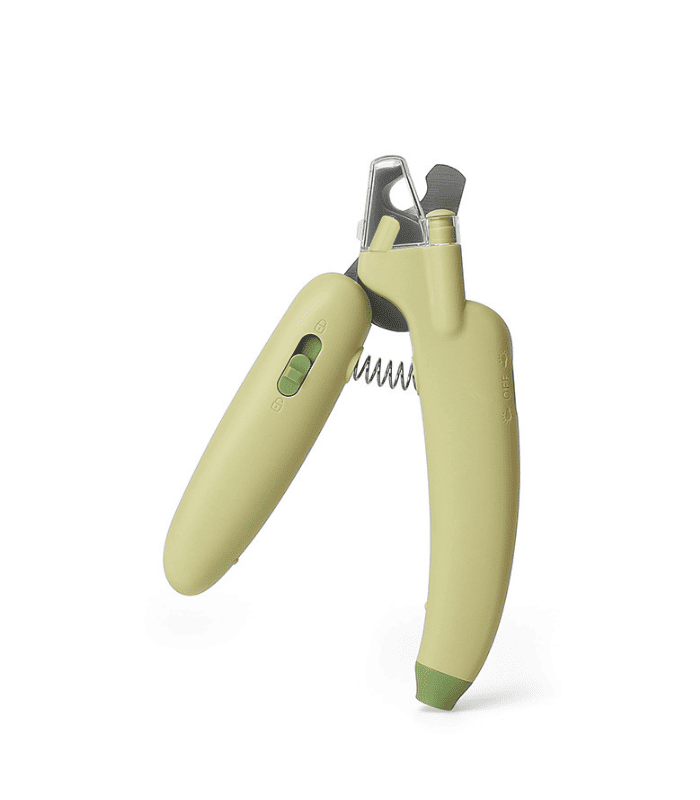
UV ringworm detection light Pet Nail Clippers with cover LED Light
Rated 4.65 out of 5
$19.99pcs
Green
Yellow
Purple
Select options
This product has multiple variants. The options may be chosen on the product page
Trimming your cat’s nails isn’t complicated. With proper methods and tools, both you and your cat can enjoy a safe, pleasant grooming session.
Related Posts
Brush Your Cat Three Times a Week to Significantly Reduce Cat Hair at Home
Cat owners have likely experienced the hassle of “floating fur everywhere” – cat hair can be found o...
Cat Teething Guide: Process & Key Considerations
Teething is a crucial physiological stage in a cat’s growth, similar to human teething. Understandin...
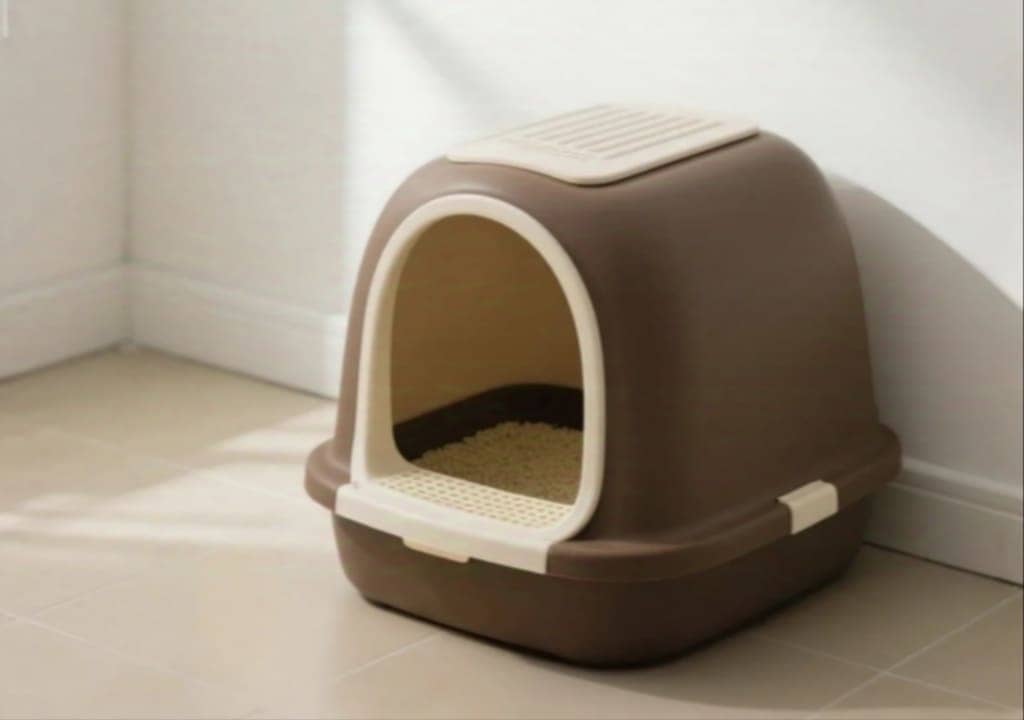
How to choose a cat litter box
Key Principle:A litter box is a cat's "toilet". Inadequate space may cause stress or inappropriate u...