Blog
Are dog slow feeder mat actually good for dogs?
Dog slow feeder mats have become a popular tool for dog owners aiming to improve their pets’ mealtime habits, but do they live up to the hype? The short answer is: yes, for most dogs—but the effectiveness of a dog slow feeder mat depends on your dog’s individual needs. Below is a concise breakdown of the benefits of dog slow feeder mats, their ideal use cases, and key considerations to help you decide if a dog slow feeder mat is right for your furry friend.
1. Core Benefits: Why Dog Slow Feeder Mat Is Good for Dogs
- Prevent Life-Threatening Health Issues: The biggest advantage of a dog slow feeder mat is reducing the risk of gastric dilatation-volvulus (GDV), or bloat—a deadly condition common in deep-chested breeds like Great Danes and German Shepherds that eat too quickly. By slowing down ingestion, a dog slow feeder mat prevents dogs from swallowing large amounts of air (a primary bloat trigger). It also minimizes vomiting, regurgitation, and indigestion, as the digestive system gets time to process food gradually.
- Promote Healthy Digestion & Nutrient Absorption: Fast eating skips proper chewing, leading to large food particles straining digestion. A dog slow feeder mat encourages thorough chewing, breaking food into smaller, more digestible pieces. This reduces stomach discomfort and improves nutrient absorption, ensuring your dog gets the most out of meals.
- Reduce Overeating & Obesity Risk: Eating slowly lets the brain register fullness (a 20-minute process). Fast-eating dogs often overconsume before feeling full, increasing weight gain risk. A dog slow feeder mat extends mealtime, helping dogs feel satisfied with regular portions and supporting healthy weight management.
- Provide Mental Stimulation: Most dog slow feeder mats have maze-like designs that require dogs to “hunt” for food with paws or tongues, tapping into natural foraging instincts. This mental engagement benefits bored dogs, reducing destructive behaviors like furniture chewing or excessive barking. A dog slow feeder mat also offers a fun, low-energy activity ideal for senior dogs or those with limited mobility.
2. Ideal Scenarios for Using Dog Slow Feeder Mats
A dog slow feeder mat is not one-size-fits-all, but it’s particularly effective for these dogs:
- Fast-Eating Dogs: Any dog finishing meals in under 2 minutes—common in rescue dogs, competitive eaters, or multi-pet households where food feels scarce—will benefit from a dog slow feeder mat.
- Deep-Chested Breeds: Breeds prone to bloat (Great Danes, Dobermans, Rottweilers) should use a dog slow feeder mat as prevention, even if they don’t eat excessively fast.
- Overweight or Lazy Dogs: The mental stimulation and extended mealtime from a dog slow feeder mat reduce boredom-induced overeating and encourage mild activity (e.g., pawing), supporting weight loss.
- Dogs with Anxiety or Boredom: For dogs with separation anxiety or lacking mental enrichment, a dog slow feeder mat turns mealtime into a calming, engaging routine that eases stress.
3. Product recommend
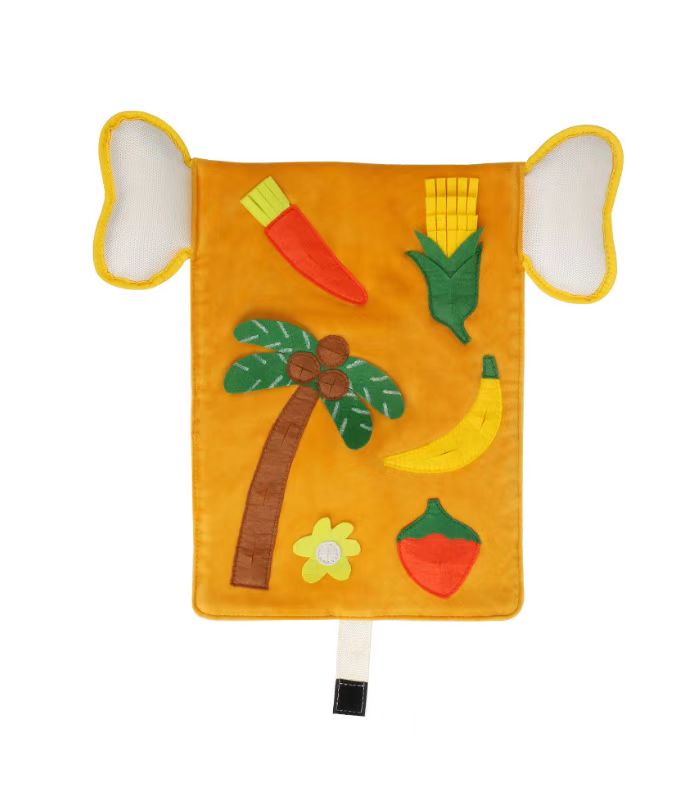
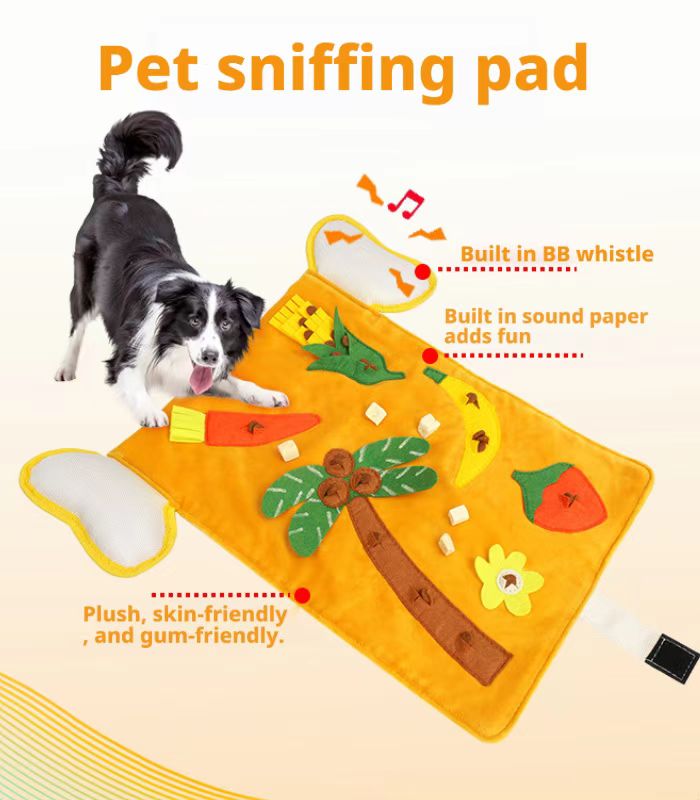
Dog Snuffle Mat for pet interesting pet Traning mat
Rated 0 out of 5
Orange
Select options
This product has multiple variants. The options may be chosen on the product page
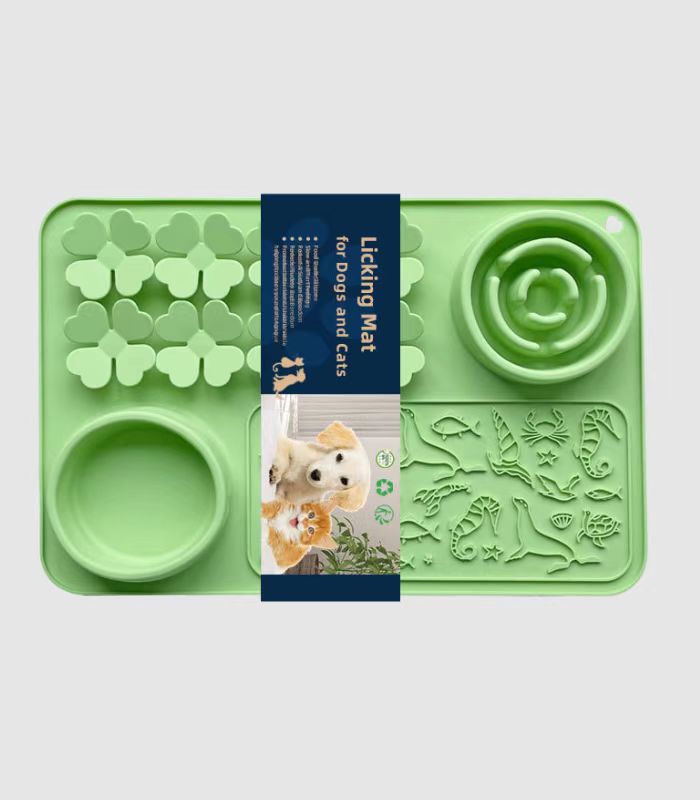
Food-Grade Silicone Pet Slow Feeding Mat with bowl Lick Mat Set
Rated 0 out of 5
Blue
Gray
Green
Pink
Purple
Select options
This product has multiple variants. The options may be chosen on the product page
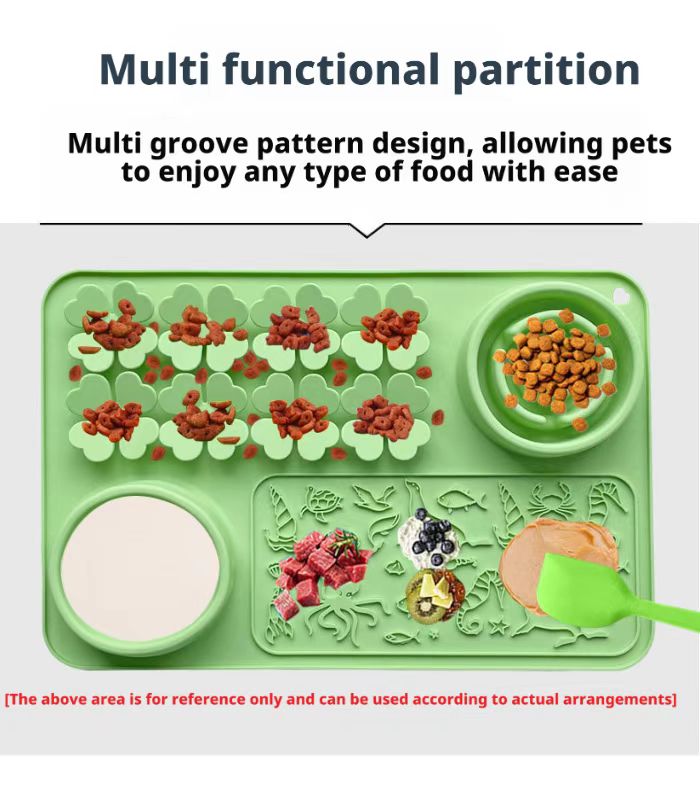
pet slow feeding lick mat
Rated 0 out of 5
$6.99pcs
Blue
Green
Pink
Yellow
cyan
light green
Select options
This product has multiple variants. The options may be chosen on the product page
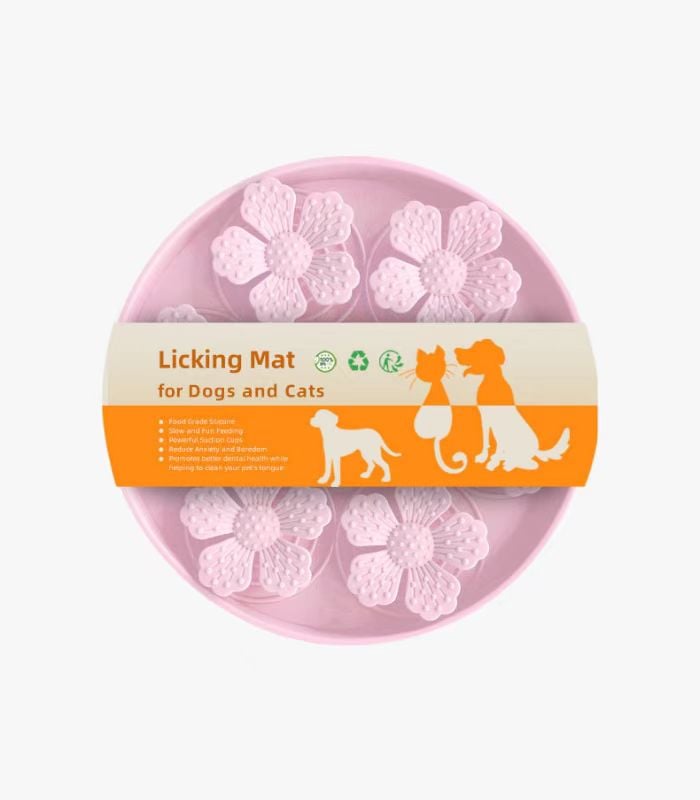
When choosing a dog slow feeder mat, consider your dog’s size, chewing intensity, and comfort. A well-selected dog slow feeder mat can significantly improve mealtime habits, boosting your dog’s health and well-being.